
Running an online store takes more than good products. People must first find those products on Google. That is where e-commerce comes into the picture and plays an essential role. When done right, SEO drives steady traffic, builds trust, and increases sales without paid ads. This article brings how to do SEO for online stores in a clear and practical way. Every step focuses on real results, not shortcuts.
Why SEO Matters for Online Stores
Many buyers start with a Google search. They compare prices, read reviews, and scan product pages. If your store does not upgrade, buyers never see it.
SEO helps your store show up at the right time. It connects your products with people who already want to buy. That makes SEO one of the strongest growth tools for online shops.
Start With Smart Keyword Research
Keyword research sets the base for everything else. You must know what buyers search for before they buy. Focus on keywords with buying intent. These include product names, model numbers, and problem-based searches. Avoid broad terms with no clear intent.
Group keywords by product type and category. This structure helps Google better understand your site. It also improves user flow.
Build Clean Category and Product Pages
Category pages drive most store traffic. Each category should target one main topic. Write a short and clear text at the top. Explain what users will find.
Product pages need strong basics. Write clear titles. Add short descriptions. List features in bullet form. Answer buyer questions early. Avoid copied product text from suppliers. Original content builds trust and improves rankings.
Use Clear URLs and Site Structure
Search engines prefer simple site layouts. Users do too. Use short URLs. Avoid random numbers or symbols. Keep categories logical and shallow. A buyer should be able to reach any product in three clicks. Clear structure helps crawlers index pages faster. It also improves user experience.
Fix Technical SEO Issues Early
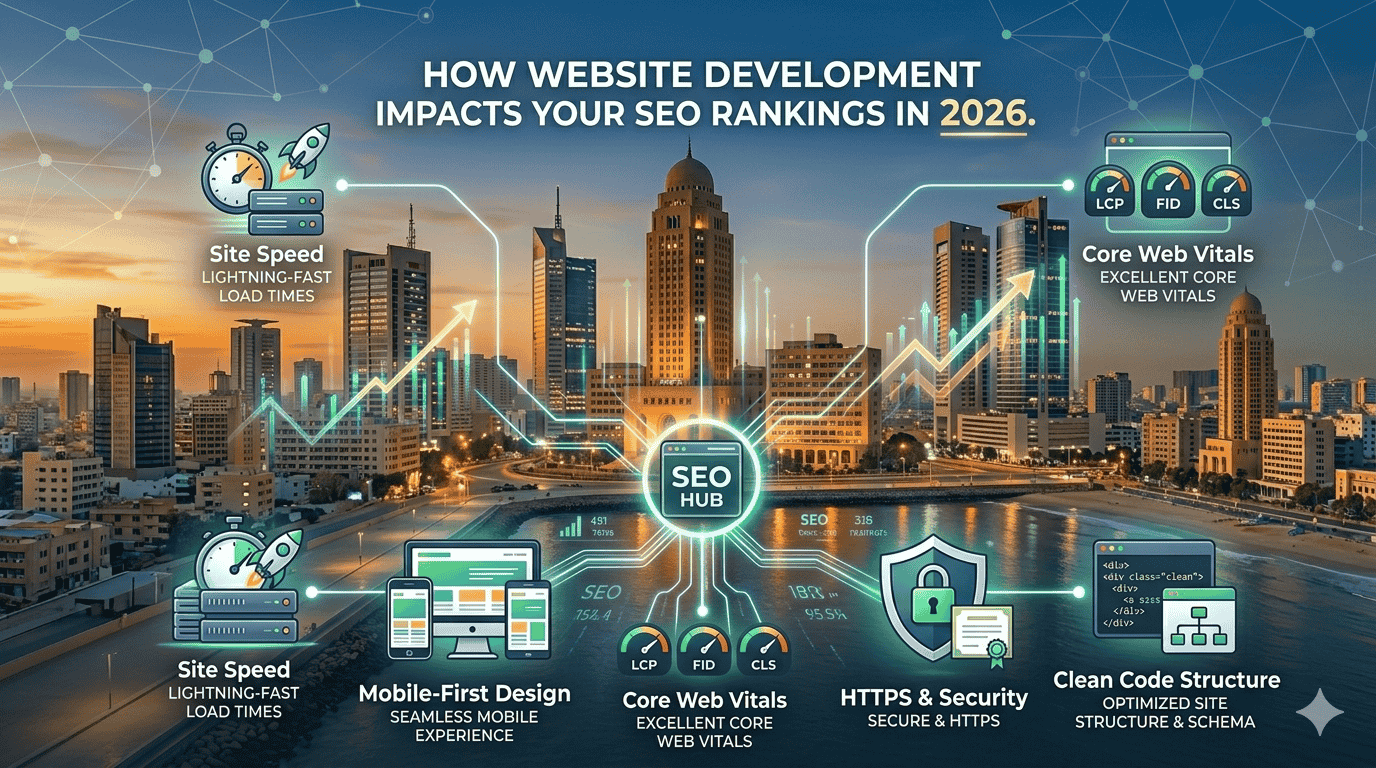
Technical issues can prevent rankings, even with high-quality content. Check for broken links. Fix duplicate pages. Use proper canonicals. Submit a clean sitemap. Secure your site with HTTPS. Google treats security as a trust signal.
Optimize for Speed and Mobile Users
Online buyers leave slow sites fast. Google tracks this behavior. Compress images. Remove unused scripts. Use clean code. Test your site speed often.
Mobile users now dominate shopping traffic. Make sure buttons stay clickable. Keep text readable. Avoid pop-ups that block screens.
Write Helpful Content That Supports Sales
Content builds authority. It also attracts long-tail searches. Create buying guides, FAQs, and comparison posts. Answer real questions buyers ask. Keep sentences short and simple.
This content supports product pages and improves internal linking. It also builds trust with both users and search engines.
Use Internal Links With Purpose
Internal links guide users and spread page value. Link from blogs to categories. Link from categories to products. Use natural anchor text. Avoid stuffing keywords. This strategy helps Google understand page importance and relationships.
Track Results and Adjust Often
SEO needs regular review. Track rankings, clicks, and sales data If pages drop, review content and intent. If traffic rises but sales fall, improve product clarity. Data shows what works. Adjust based on facts, not guesses.
How E-Commerce Websites’ SEO Services Help Scale Faster
Many store owners struggle with time and skill limits. This is where e-commerce websites seo services help.
Professional teams handle audits, content, links, and tracking. They also adapt more quickly to Google updates. This support saves time and avoids costly errors. The right service focuses on sales growth, not traffic alone.
Choosing the Best E-Commerce SEO Agency
Not every agency understands online stores. Choose partners with real store experience. Look for proof. Ask for case studies. Check whether they discuss revenue, not rankings alone. Avoid agencies that promise instant results.
A trusted partner acts as a growth ally, not a vendor. Many brands turn to the best e-commerce seo agency when scaling becomes urgent.
Real Expertise Makes the Difference
SEO for online stores needs hands-on experience. Strategy alone does not work. Execution matters more. Top SEO Services is a leading brand that focuses on practical SEO built around real store data, buyer intent, and search behavior. Such an approach always aligns SEO with business goals, not vanity metrics.
When to Invest in E-Commerce Websites SEO Services
Some stores outgrow DIY SEO fast. Signs include stalled growth, rising ad costs, or weak rankings.
At this stage, e-commerce websites and services help unlock new growth channels. They refine structure, improve content depth, and strengthen authority signals. This move often reduces ad spend and increases organic sales.
Final Thoughts
SEO for online stores rewards patience and clarity. Focus on buyers first. Build clean pages. Track results. Fix issues early. When done right, e-commerce SEO becomes a long-term sales engine, not a cost centre.
FAQs
1. How Long Does SEO Take For E-commerce Websites?
A: Most stores see early gains in three months. Strong growth takes six to nine months.
2. Is SEO Better Than Paid Ads For Online Stores?
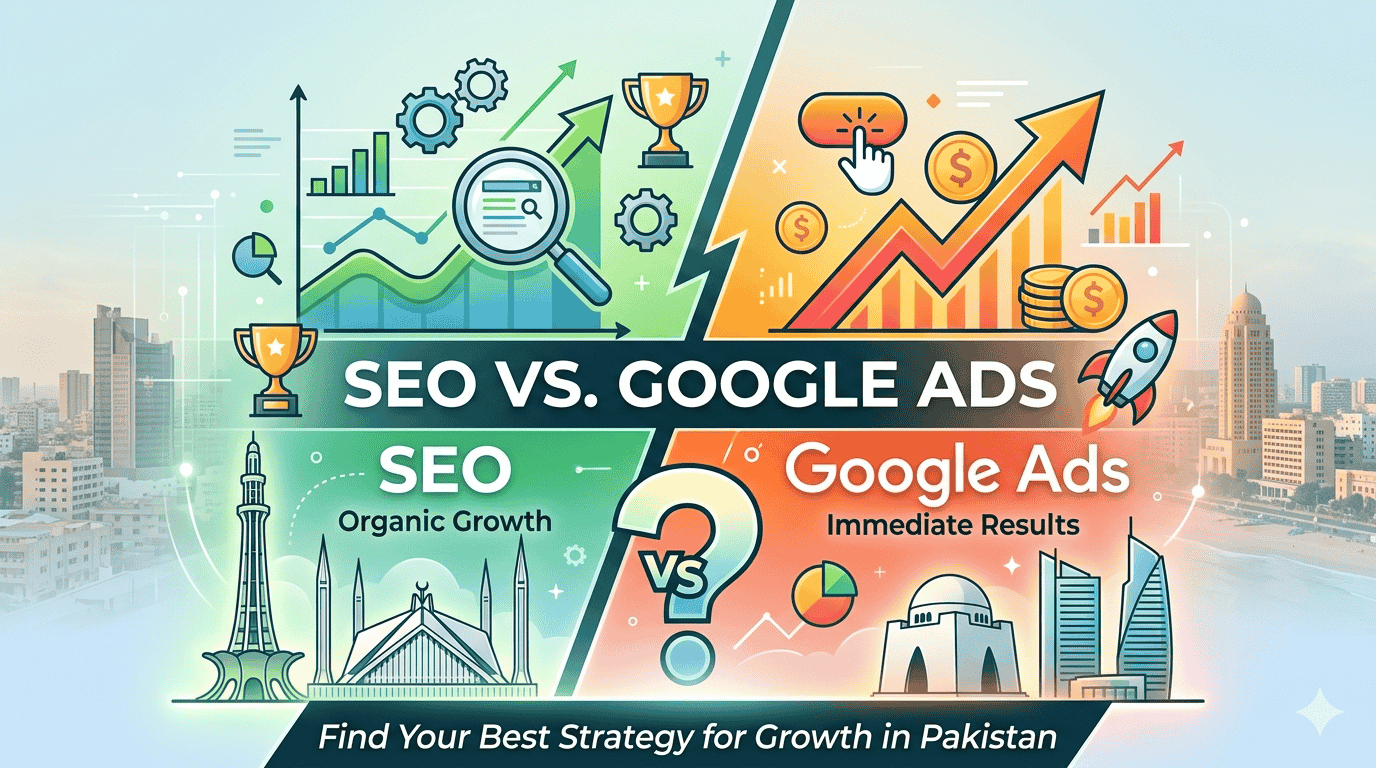
A: SEO builds long-term traffic. Ads stop when budgets end. Both work best together.
3. How Many Products Should I Optimize First?
A: Start with top-selling and high-margin products. Expand slowly.
4. Should Small Stores Hire The Best E-commerce Seo Agency?
A: Yes, if growth matters. The best e-commerce seo agency helps avoid mistakes and scale faster.